At noon, I began four continuous hours without my phone, texting, email, social media, Netflix, or the other digital conveniences that normally prevent me from experiencing an unoccupied second. I stayed in my dorm room until about four o’clock. This made the experiment controlled in one sense: I could not blame an exciting location for whatever happened.
I wrote down ideas on how to be funny. That sounds pleasantly deliberate until I admit how often I looked toward my laptop. Typing would have been faster, more convenient, and less likely to let an idea disappear before I recorded it. Every glance came with a reasonable explanation. Convenience is especially persuasive when it agrees with something I already want to do.
I also spent a substantial amount of time lying in bed. Every so often, I took a ten-minute break to jog in place, which gave the afternoon the structure of an extremely limited fitness program. Halfway through, I remembered that music existed. I briefly played my 1980s rock, pop, and hip-hop stations, then turned them off again in pursuit of true enlightenment. Enlightenment did not arrive. Quiet did.
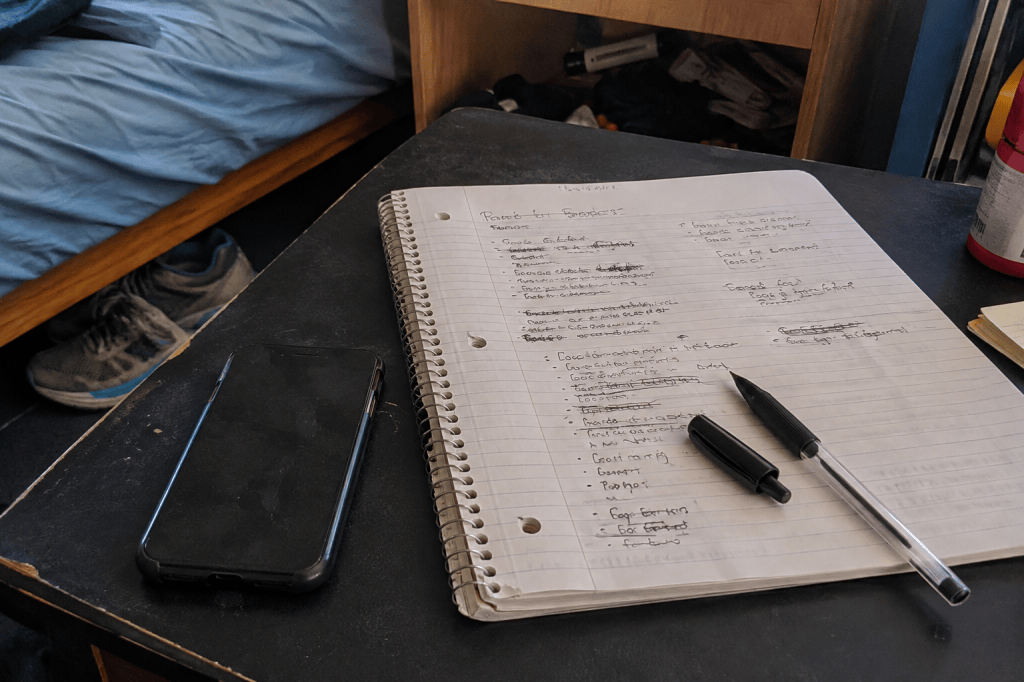
The quiet became unexpectedly productive, although rarely in the organized way I imagined. I began writing satirical ideas and following them farther than I normally would. One started with the phrase “make time work for you.” I imagined Time literally getting a job, clocking in and out, and accidentally giving someone extra seconds because employment was slowing Time down. The important change was not that I had suddenly become creative. I have developed plenty of ideas while using technology. The difference was that one thought could remain in place long enough to produce another thought before a notification, search, or unrelated video replaced it.
That experience connects strangely well with the history of communication technology. The telegraph transformed messages that once took weeks into exchanges that could happen almost instantly. Later, radio became another medium competing with newer technologies to attract and hold an audience. The modern internet continues both developments. It connects people across enormous distances while placing an enormous number of messages, voices, and distractions within immediate reach.
That reach is useful. I wanted my technology back because it helps me remember ideas, communicate, research, and turn rough notes into something another person can understand. I remained a fairly functional human being without it, although I discovered that I am poorly qualified for time travel to the past. I could survive there, but I would complain about the available charging infrastructure.
The hardest part had little to do with missing entertainment. I sat in my chair thinking of productive things I could do. For each one, I invented a reason I was not doing it or explained how I could still do it later. With my usual digital distractions unavailable, I had fewer places to assign responsibility. It took an embarrassing amount of time to realize that later could have been now.
Four hours offline did not reveal that technology is the enemy. It revealed that technology is sometimes a tool, sometimes a distraction, and sometimes a convincing alibi. A reasonable middle ground is not abandoning connection. It is occasionally creating enough silence to discover whether I am choosing what deserves my attention or merely accepting whatever reaches it first.


Leave a Reply