I have opened my phone to check one thing and emerged twenty minutes later knowing considerably more about something I never intended to investigate. Sometimes it is useful. Sometimes it is a video of a raccoon stealing cat food. Either way, somebody successfully kept me there.
In my first post, I described my phone as useful for “wasting five minutes that somehow become thirty.” The attention economy is partly an explanation for what happened to the other twenty-five.
I usually think of my attention as mine. I decide what to watch, what to click, and when I have had enough. Online, though, attention is also something companies can measure: how long I stay, whether I scroll, what makes me stop, what I click next, and whether I return tomorrow. Nobody at Instagram personally wants my Tuesday afternoon. Tuesday afternoon simply has metrics.
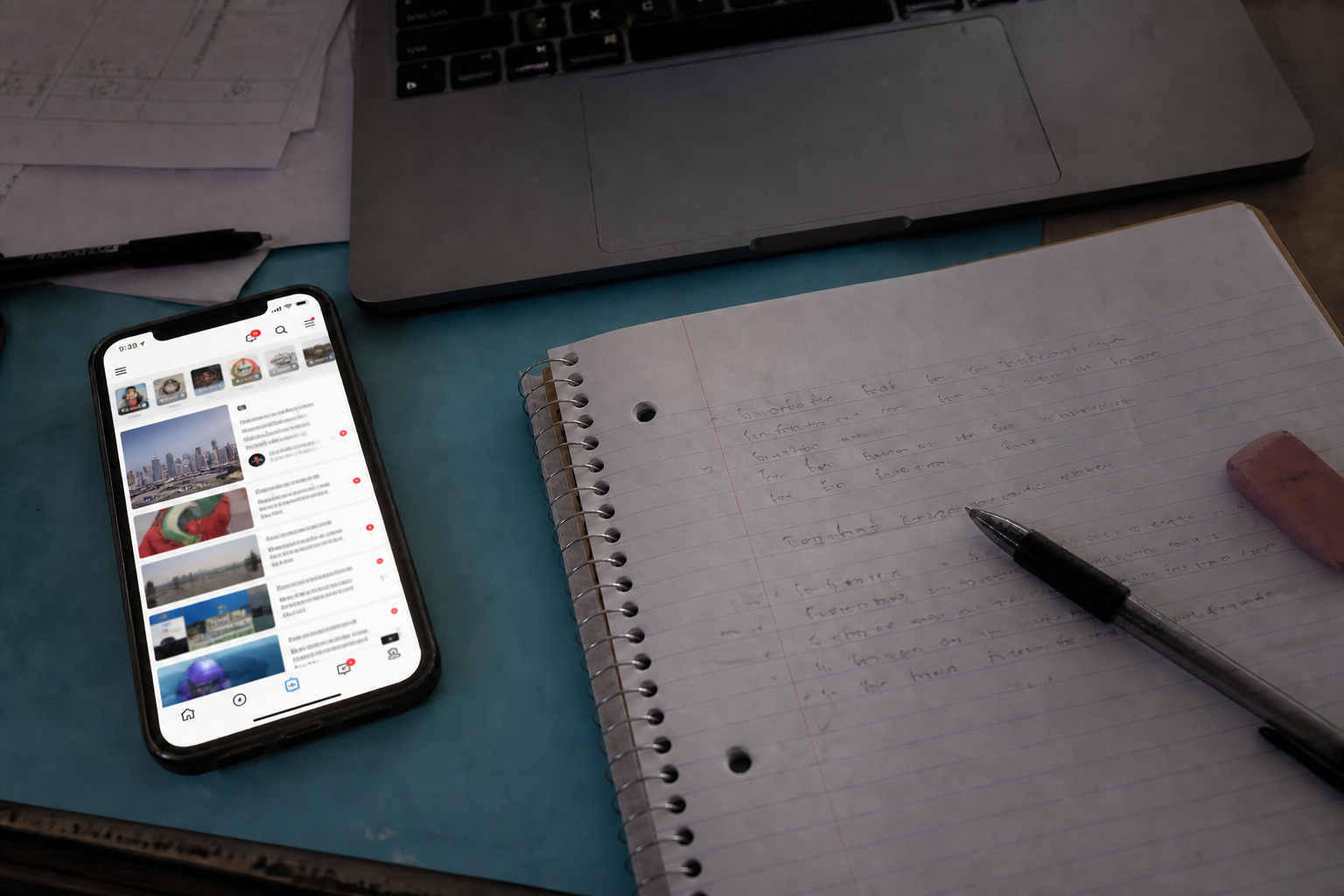
The Center for Humane Technology’s guide to the attention economy explains that platforms compete for limited attention because more time can produce more data and more opportunities to show advertising. That competition is larger than TikTok versus Instagram. A feed is also competing with homework, sleep, conversations, reading, and the increasingly endangered activity known as doing one thing.
Different companies benefit in different ways. An advertising platform can turn attention into impressions, behavioral information, and chances to sell something. A subscription service wants enough useful or entertaining attention to make renewing feel worthwhile. A shopping platform wants attention to become discovery and eventually a purchase. Attention is not always the final product, but it is often the front door.
This does not require every technology executive to be a cartoon villain. If a company succeeds when people remain on its service, the company has a reason to become better at keeping them there. No employee needs to sit in an office whispering, “Excellent. Aden has watched another video.” That would require an unreasonable staffing budget. A system only needs to learn which videos, notifications, and recommendations tend to produce another minute.
That is what I found most useful about The Social Dilemma. Its dramatic scenes can make the system appear more centrally controlled than it is, but the documentary makes the incentives visible. Nobody has to decide that I should lose twenty-five minutes. The system can optimize for engagement and discover what usually creates twenty-five minutes on its own.
The result is not always total capture. Sometimes it is fragmentation. My laptop can contain an assignment, research, music, messages, and a browser tab whose original purpose has been lost to history. I can technically be doing all of them. Whether I am doing any of them particularly well is another question.
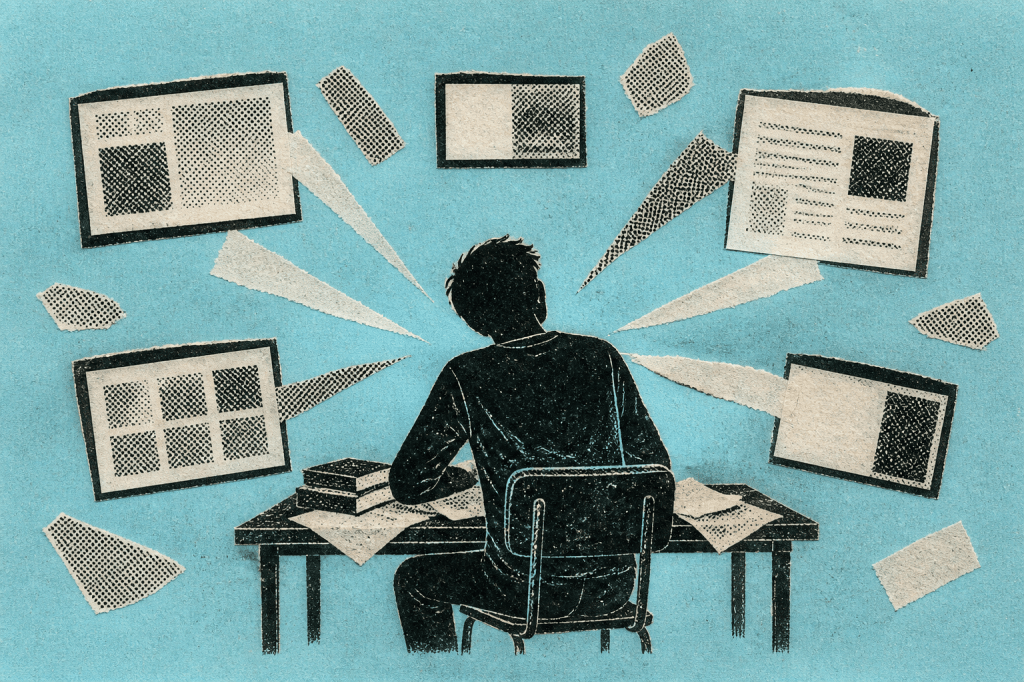
The American Psychological Association’s overview of multitasking describes the switching costs that appear when people move between tasks. Even a small delay matters when it happens repeatedly. The interruption ends quickly, but reconstructing what I was thinking before it arrived can take longer. Apparently, my attention has a loading screen.
None of this means that attention given to technology is automatically wasted. YouTube can teach me something. A message can matter. A well-designed service should help people find material worth their time. The problem begins when what keeps attention and what deserves attention stop being the same thing.
I still think I am responsible for where my attention goes. Companies also make choices about notifications, autoplay, recommendations, and how easy it is to leave. Responsibility can belong to users without pretending that users are the only participants in the decision.
My attention belongs to me. There is simply considerable commercial interest in borrowing it indefinitely.
I was going to think about that longer, but something just notified me.


Leave a Reply