Hey dudes, this is Aden Cisneros, and welcome to ADENEWS. Since this is the first actual post here, an introduction seems useful before I get too far into everything else. Most of what I write here will probably circle back to media, technology, web design, and the strange ways people interact with all three.
I’m taking Media Literacy because, despite what it may seem, I was not born with innate hackerman news knowledge. I’m interested in web design, so understanding how media works, how people interact with it, and how information gets presented online seems useful beyond just completing a class. It also fulfills a Magis Core requirement, which is considerably less dramatic but equally true.
I am very familiar with media, as my Instagram algorithm could probably testify in court. My feed usually sends me down one of two paths: life-hack videos or dark satire. I do not regularly sit down and watch traditional television news. Most of the time, I encounter information indirectly through social media, websites, other people, or something interesting enough that I decide to look it up myself.
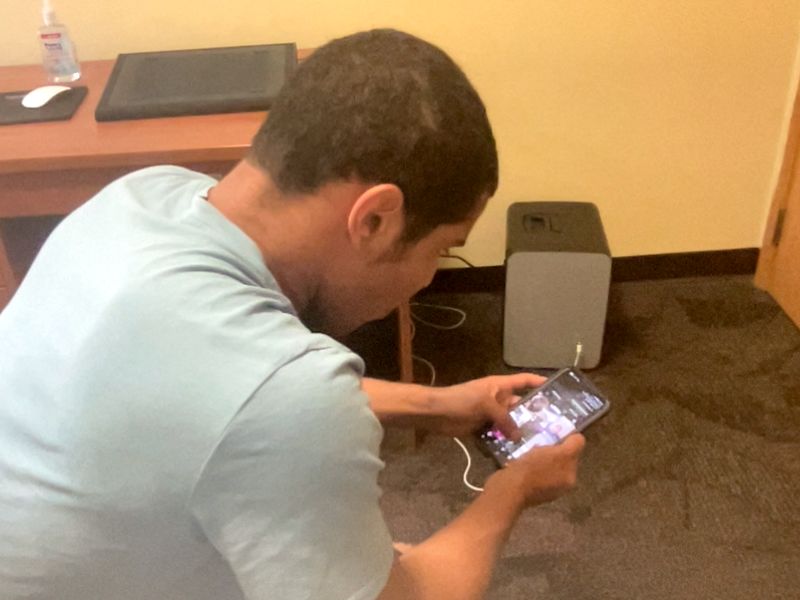
That apparently is not unusual. The Pew Research Center’s Social Media and News Fact Sheet reports that 53% of U.S. adults at least sometimes get news from social media. That interests me because it means the line between “using social media” and “consuming news” is becoming increasingly blurry.
As for screens, I use both my computer and my phone extensively, although for different reasons. The computer is the way to go, but the phone is for on the go. I prefer a computer when I am writing, designing something, researching, or doing work that requires more than two thumbs and optimism. My phone is better for quick information, communication, and wasting five minutes that somehow become thirty.
What frustrates me most about news media is polarization. Our class reading on the attention economy helped put an economic mechanism behind something I already noticed: attention is limited, but platforms can make money from keeping as much of it as possible. That gives them an incentive to prioritize content people are likely to click, share, or argue over. Conflict creates drama, purpose, and a convenient reason to keep checking for updates, which is useful if your business depends on people continuing to look. The problem comes when engagement gets confused with actually becoming more informed. Apparently, outrage can have a business model.
The American Psychological Association’s explanation of how misinformation spreads discusses how online systems that prioritize engagement can favor material that provokes emotions such as anger and outrage. I think that is worth remembering before assuming that something appearing constantly in a feed must also be the most important thing happening.
At the same time, I do not think news media is simply bad. Good journalism can take information that an ordinary person would never have the time or access to gather independently and make it understandable. Journalists can investigate institutions, interview people directly, verify claims, and introduce audiences to events far outside their immediate lives. The problem is not that we have too much access to information. It is learning how to decide which information deserves our attention.
My programming experience is somewhere between “I know nothing” and “please do not ask me to rebuild Google by Friday.” I have worked with HTML and CSS and have some experience with JavaScript, although I am still learning all three. One reason media literacy interests me is that websites are not neutral containers. Design choices affect what people notice, click, trust, and ignore.
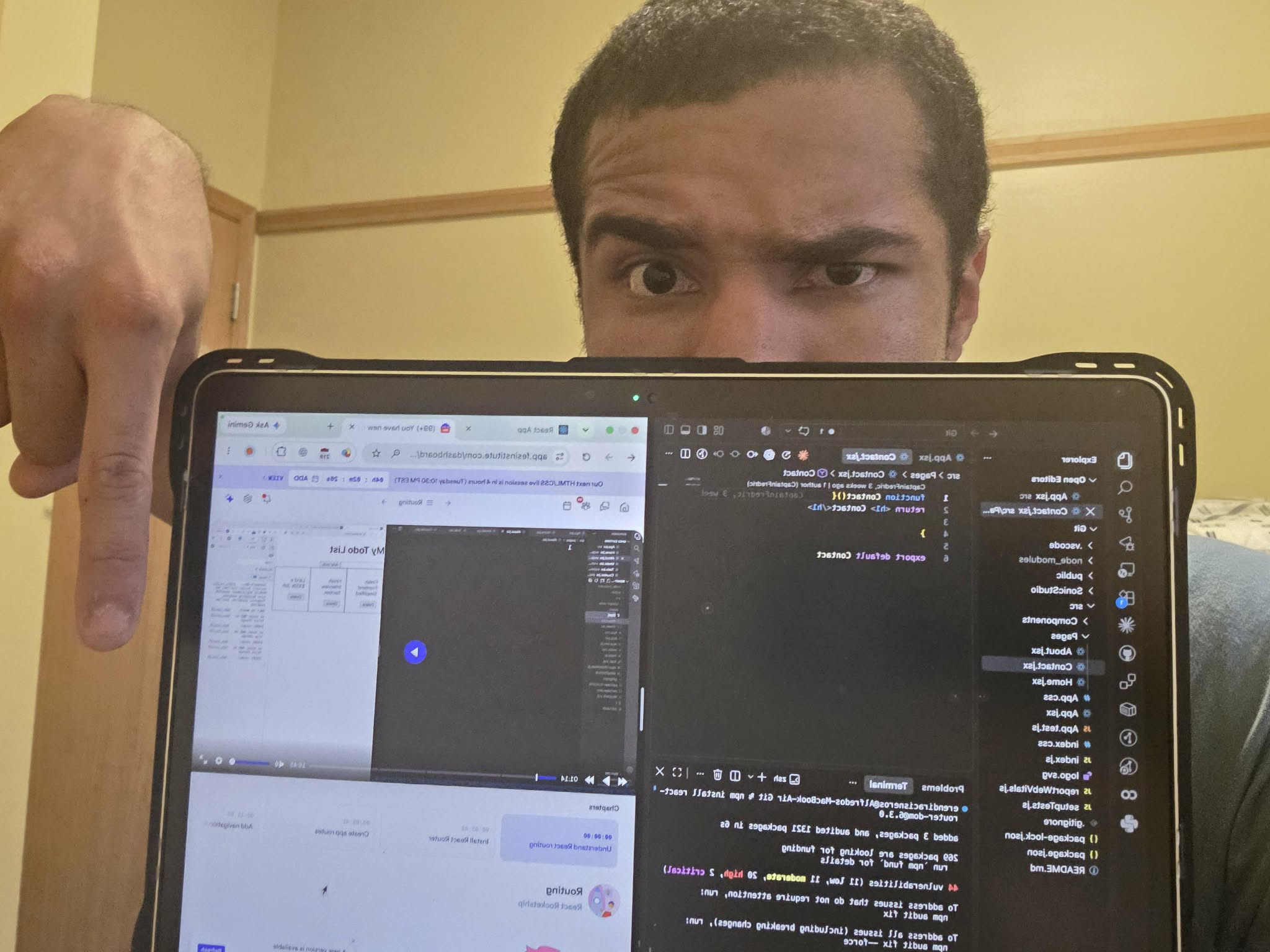
That is probably both the biggest benefit and the biggest concern I have about an increasingly connected world. We have absurd amounts of information and access to other people available almost instantly. That can make learning, communication, and creativity easier than ever. It also means misleading information, outrage, and nonsense can travel just as quickly.
That is territory this blog will keep returning to: what media lets us do, what it encourages us to do, and whether those are always the same thing. Being connected is useful. Being connected without thinking about what is connecting us is probably less so.
I will now revert to my tribalism.
Anyway, connect 4 you later.


Leave a Reply